


How to Spot a Failing Radiator in Your Kenworth T680 Early
A failing radiator in a Kenworth T680 can lead to overheating, costly repairs, and unexpected downtime. Learn the early warning signs so you can catch cooling system problems before they turn into major breakdowns.
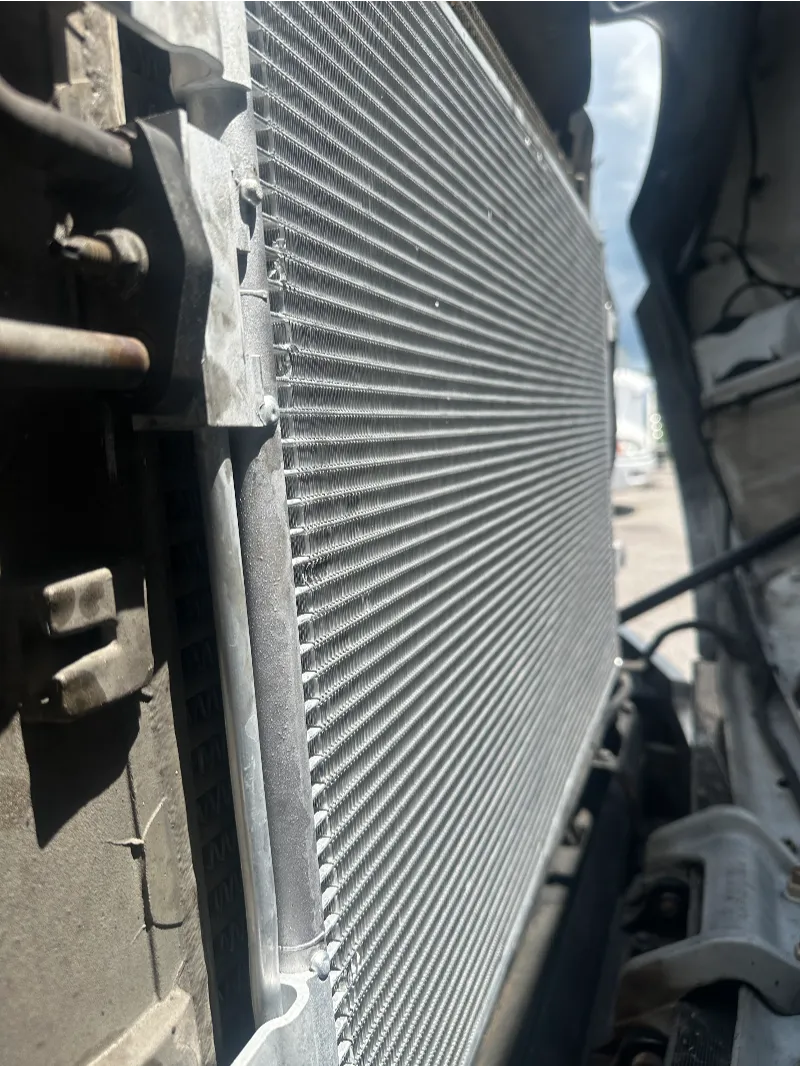
The Kenworth T680 runs hard, and the cooling system is what keeps the engine from paying the price. The radiator sits at the center of that system, pulling heat out of the coolant before it cycles back through. When it starts to fail, temperatures climb fast, and that usually means breakdowns, repairs, and downtime.
Catching the problem early makes a real difference. Here are the warning signs every T680 owner and fleet manager should know.
Understanding How the Radiator Works
The radiator is a key component of your truck's cooling system. Engine coolant circulates through the engine, absorbing heat generated during combustion. The heated coolant then travels to the radiator, where airflow removes that heat before the coolant returns to the engine.
The system relies on proper coolant circulation, adequate airflow, and functioning cooling components to maintain safe operating temperatures. Several supporting components also play a role, including the water pump, fan clutch, coolant hoses, and coolant reservoir. If any of these parts fail, your radiator's effectiveness can suffer.
Rising Engine Temperatures
One of the earliest signs of a failing Kenworth T680 radiator is a gradual increase in engine temperature.
Pay close attention to your temperature gauge. If it consistently runs higher than normal, especially while climbing grades or hauling heavy loads, your cooling system may be struggling to dissipate heat.
Common causes include:
- Internal radiator blockages
- Damaged cooling fins
- Restricted coolant flow
- Excessive debris buildup
Ignoring elevated temperatures can eventually lead to severe engine overheating, which may damage cylinder heads, gaskets, and other critical engine components.
Visible Coolant Leaks
A healthy radiator should remain sealed. If you notice coolant puddles under your truck or coolant residue around the radiator, a leak may be developing.
Watch for:
- Wet spots beneath the front of the truck
- Crusty deposits near radiator seams
- Dripping coolant from hoses or fittings
- A declining coolant level in the reservoir
Heavy-duty cooling systems operate under pressure. Even a small leak can worsen over time and significantly reduce cooling efficiency.
Frequent Coolant Top-Offs
Adding coolant occasionally is normal. Constantly refilling the system is not.
If you're regularly topping off coolant without seeing obvious leaks, your radiator may have a slow leak or an internal issue. Coolant loss can also occur through cracked tanks, damaged hoses, or failing seals.
Any unexplained coolant loss deserves immediate investigation before it turns into a roadside breakdown.
Discoloured or Contaminated Coolant
Healthy coolant typically appears bright and clean. Dirty, rusty, or contaminated coolant often signals trouble inside the cooling system.
Signs of contamination include:
- Brown or rusty coolant
- Sludge inside the reservoir
- Floating debris
- Thick or oily coolant consistency
Corrosion inside the radiator can restrict coolant flow and reduce heat transfer efficiency. Since coolant absorbs heat as it moves through the engine, maintaining clean coolant is essential for proper cooling performance.
Engine Overheating During Traffic
Many T680 operators first notice radiator issues during slow-moving traffic.
At highway speeds, natural airflow helps cool the radiator. During stop-and-go driving, however, the cooling system relies heavily on the fan clutch and cooling fan to move air across the radiator core. The fan clutch activates the cooling fan when additional airflow is needed at lower speeds.
If your truck overheats in traffic but cools down on the highway, the radiator, fan clutch, or airflow system may be compromised.
Bent or Damaged Cooling Fins
Radiator fins help transfer heat from the coolant to the surrounding air. Over time, road debris, bugs, dirt, and rocks can damage these delicate fins.
Inspect the front of the radiator for:
- Bent fins
- Missing sections
- Dirt accumulation
- Corrosion
Damaged fins reduce airflow and heat dissipation. Even if coolant circulation remains normal, restricted airflow can contribute to overheating.
Sweet Smells Around the Engine
Coolant has a distinct sweet smell. If you notice that odour around your truck after driving, a coolant leak could be present.
The smell may become more noticeable:
- After shutting down the engine
- During hot weather
- While idling
- After long hauls
A leaking radiator can release small amounts of coolant that evaporate before reaching the ground, making odours one of the first noticeable symptoms.
Poor Cooling System Performance Under Load
Heavy hauling places greater demands on your cooling system.
If your engine temperatures spike while towing or carrying heavy loads, your radiator may no longer be performing at full capacity. Restricted coolant passages, internal corrosion, and partial blockages can reduce cooling efficiency long before complete failure occurs.
Truck operators often notice this issue first on steep grades or during extended periods of high engine demand.
Steam Coming from the Engine Bay
Steam is one of the most obvious signs of radiator trouble.
When coolant escapes from a damaged radiator and contacts hot engine components, it can instantly vaporize into steam. If you see steam coming from beneath the hood, pull over safely and shut down the engine as soon as possible.
Continuing to drive with an overheating engine can result in catastrophic damage that far exceeds the cost of a radiator repair.
The Role of Preventive Maintenance
Many radiator failures develop gradually. Regular inspections can help identify problems before they become serious.
A preventive maintenance program should include:
- Coolant level inspections
- Radiator visual inspections
- Coolant condition testing
- Hose inspections
- Water pump inspections
- Fan clutch performance checks
- Cooling system pressure testing
Routine maintenance helps ensure coolant continues to absorb and disperse heat effectively throughout the system.
Why Early Repairs Matter
Radiator issues rarely fix themselves. Small leaks become large leaks. Minor restrictions become severe blockages. Slight temperature increases can eventually lead to complete engine overheating.
Addressing problems early can help prevent:
- Engine damage
- Head gasket failure
- Costly roadside breakdowns
- Excessive downtime
- Reduced fuel efficiency
The sooner you identify a cooling system issue, the more affordable and straightforward the repair process typically becomes.
Protect Your Kenworth T680 Today
A failing radiator often provides warning signs before complete failure occurs. Rising engine temperatures, coolant leaks, contaminated coolant, overheating in traffic, steam, and unusual odours all indicate that your Kenworth T680 radiator may need professional attention.
Ready to address cooling system problems before they become major repairs? Contact Fleetworks Inc. in Oakland, Riverside, or Los Angeles, CA, for professional heavy-duty cooling system diagnostics and radiator repair services.
Shop Locations
Fleetworks Inc. is proud to have expanded to three locations across California, providing a wide-range of truck & equipment repair & fleet services from our locations in Oakland, Santa Fe Springs, Riverside, & the surrounding areas.
Santa Fe Springs Location
14011 Marquardt Ave, Santa Fe Springs, CA 90670
Riverside Location
*Equipment Service & Repairs only*
1310 Dodson Way, Riverside CA, 92507