


Why Hydraulic Systems Fail in Diesel Trucks: What Can You Do About It?
Hydraulic system failure in diesel trucks can instantly shut down dump beds, PTO equipment, and steering performance, leading to costly downtime. Most failures stem from preventable issues, and understanding the causes helps protect your truck, productivity, and repair budget.
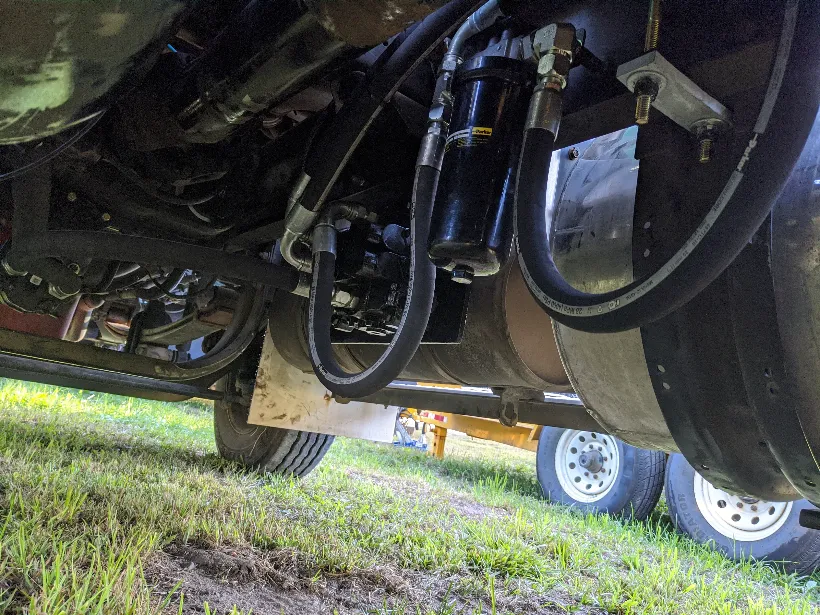
Hydraulic systems don't get much attention until something goes wrong, and when they do fail, they tend to take the whole operation with them. Dump beds, wet kits, power steering, PTO-driven equipment, all of it depends on a system that most drivers don't think twice about until they're standing next to a truck that won't cooperate.
Our hydraulic repair team at Fleetworks Inc. has seen plenty of problems that started small and turned into something much more expensive. The frustrating part is that most of them didn't have to go that far. With the right knowledge and consistent maintenance, hydraulic failure is largely preventable. Here's what actually causes these systems to break down and what you can do to stay ahead of it.
Understanding How Hydraulic Systems Work in Diesel Trucks
Before diving into failures, it helps to understand the basics. Hydraulic systems use pressurized fluid to transfer force. A hydraulic pump creates pressure, hydraulic fluid carries that pressure, and components like cylinders or motors convert it into mechanical movement.
In diesel trucks, hydraulics often power:
- Dump bed lift cylinders
- Roll-off systems
- Cranes and booms
- Power steering systems
- PTO-driven auxiliary equipment
Because these systems operate under high pressure, even minor weaknesses can lead to full hydraulic system failure in diesel trucks if ignored.
Contaminated Hydraulic Fluid
Contamination is the number one cause of hydraulic system failure in diesel trucks. Hydraulic fluid must remain clean to properly lubricate and protect internal components.
Contaminants typically include:
- Dirt and debris
- Water intrusion
- Metal particles from internal wear
- Air bubbles from aeration
Once contamination enters the system, it acts like sandpaper. Pumps, valves, and cylinder seals begin to wear prematurely. Over time, this leads to internal leakage and eventual hydraulic system failure in diesel trucks.
What can you do?
- Replace hydraulic filters on schedule
- Perform routine fluid analysis
- Keep reservoir caps sealed tightly
- Flush systems thoroughly after major component failures
Preventing contamination is far less expensive than rebuilding pumps and cylinders.
Overheating and Fluid Breakdown
Heat is another major contributor to hydraulic system failure in diesel trucks. Hydraulic fluid not only transfers power but also absorbs heat. When temperatures rise too high, fluid viscosity breaks down.
Overheated fluid loses its ability to lubricate properly. Seals harden. Internal clearances change. Components begin wearing at accelerated rates.
Common causes of overheating include:
- Clogged hydraulic coolers
- Continuous heavy loads without rest
- Excessive system pressure
- Low fluid levels
To prevent hydraulic system failure in diesel trucks, monitor operating temperatures regularly. Clean hydraulic coolers during routine maintenance. If your truck operates in demanding environments, heat management becomes even more critical during the summer months.
Worn Hydraulic Pumps
The hydraulic pump is the heart of the system. When it begins to wear, pressure output drops and efficiency declines. Left unchecked, pump wear can trigger complete hydraulic system failure in diesel trucks.
Signs of pump wear include:
- Whining or grinding noises
- Slow or weak hydraulic response
- Pressure fluctuations
- Excessive heat generation
Running a worn pump forces the rest of the system to compensate. This increases stress on valves and cylinders, spreading damage across the entire system.
Proactive pressure testing can identify weakening pumps early. Replacing a pump before catastrophic failure can prevent widespread hydraulic system failure in diesel trucks.
Failing Cylinder Seals
Hydraulic cylinders depend on tight internal seals to hold pressure when those seals start to go, fluid bypasses internally, and you lose lifting power and responsiveness before anything looks obviously wrong on the outside.
Seal wear usually comes down to a few things: contaminated fluid, excessive heat, normal wear over time, or damage to the rod surface itself. Any one of these can accelerate the process, and once a seal starts leaking internally, the rest of the system has to compensate. That means more heat, more strain on the pump, and a faster path to a much larger repair.
Catching it early is straightforward. Regularly inspect cylinder rods for scoring and watch for any signs of fluid weeping around the seals. A small leak that gets addressed quickly is a minor fix. The same leak ignored for a few months is a different conversation entirely.
Hose and Fitting Failures
Hydraulic hoses operate under extreme pressure. Over time, vibration, abrasion, and temperature fluctuations weaken the hose material. A burst hose not only creates a mess but can instantly disable your equipment.
Inspect hoses regularly for cracking, bulging, or rubbing against other components. Replace aging hoses proactively rather than waiting for rupture. It is a simple step that dramatically reduces the risk of hydraulic system failure in diesel trucks.
Hose failure contributes directly to hydraulic system failure in diesel trucks by:
- Causing sudden fluid loss
- Introducing air into the system
- Allowing contamination entry
Air Intrusion and Cavitation
Air inside a hydraulic system is bad news. Cavitation occurs when air bubbles collapse under pressure, damaging internal pump surfaces.
Air intrusion often results from loose fittings, low fluid levels, or cracked suction lines. Once cavitation begins, internal damage spreads quickly, leading to hydraulic system failure in diesel trucks. Checking suction lines and maintaining proper fluid levels helps prevent this destructive process.
Symptoms include:
- Foamy fluid
- Erratic movement
- Loud knocking or whining noises
- Reduced lifting capacity
What You Can Do to Prevent Hydraulic Failure
Preventing hydraulic system failure in diesel trucks comes down to consistent maintenance and early detection. Hydraulic systems rarely fail without warning. The key is recognizing early symptoms and acting quickly.
Here are practical steps you can implement:
- Perform daily visual inspections for leaks
- Monitor fluid levels and condition
- Replace filters at manufacturer intervals
- Conduct annual fluid analysis
- Schedule routine pressure and flow testing
- Train operators to report unusual noises or sluggish performance
Take Action Against Hydraulic Failures
Hydraulic failures stem from common signals such as contamination, overheating, worn pumps, failing seals, and air intrusion, all of which start small and become expensive when left unchecked. The trucks that avoid major hydraulic repairs are almost always the ones getting consistent attention before something breaks.
If your truck is showing early signs of trouble, don't wait it out. Reach out to Fleetworks Inc. and let us take a look. Catching it now is almost always faster and cheaper than dealing with it later. For more information, read our article on how to diagnose your diesel trucks to catch problems before they escalate.
Shop Locations
Fleetworks Inc. is proud to have expanded to three locations across California, providing a wide-range of truck & equipment repair & fleet services from our locations in Oakland, Santa Fe Springs, Riverside, & the surrounding areas.
Santa Fe Springs Location
14011 Marquardt Ave, Santa Fe Springs, CA 90670
Riverside Location
*Equipment Service & Repairs only*
1310 Dodson Way, Riverside CA, 92507